
Boaz Bechar
- Father of two
- Former SVP digital assets and cyber innovation
- Previously: Citi, Bitmain, BTC.com, Blocktrail
What happens to your keys if something happens to you?
Disaster Recovery for the self-custodian is still a wild west.
It's hard to hold onto anything for decades.

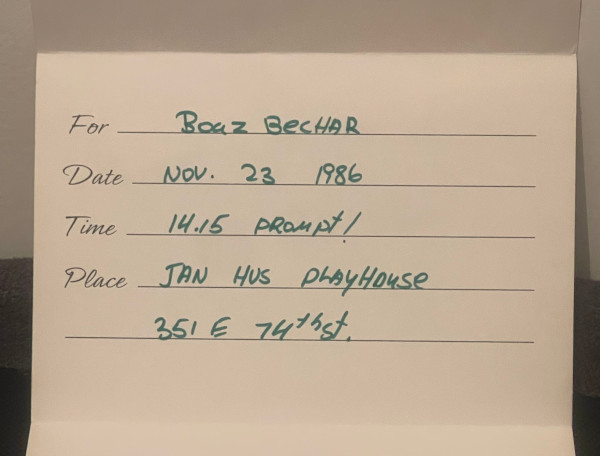
Kept ~40 years, and still here.
Even the largest institutions back up keys on paper.
…move it to USB sticks and paper backups. We then take these to a safe deposit box.
Source: Coinbase blog, 2012
The Coinbase team goes to a secure location… and prints out keys that are then split up using… scannable QR codes. We… apply… Shamir's Secret Sharing… split it into a bunch of chunks… a threshold… sufficient to reconstruct the original. The binders full of billions of dollars worth of keys are then divided among various secure locations.
Source: CoinDesk, 2018
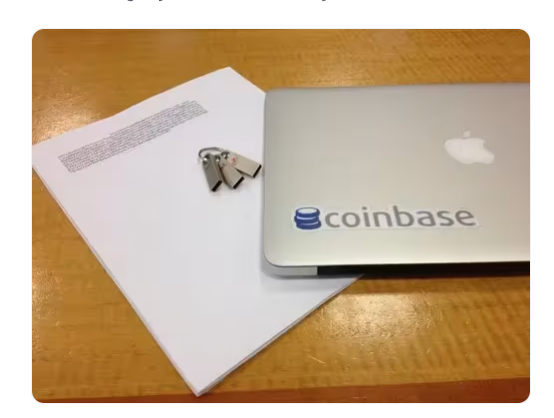
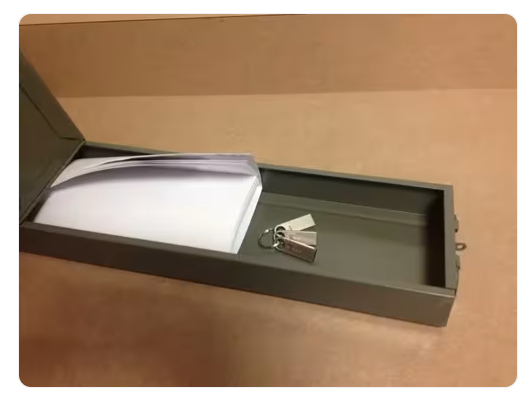
Photos: Coinbase blog, 2012
The internet's own root of trust is a ceremony.
ICANN's DNSSEC root key ceremony
Trusted officers, smartcards, safes, tamper-evident bags, filmed for the world to audit. IANA · Root KSK Ceremony 61
So what do the rest of us do?
A hardware wallet is a signing device, not long-term storage, so the real backup falls to you.
A seed on a card at home is cash under the mattress.
- Fire: one bad day, gone
- Flood: ink and paper don't swim
- Evil maid or houseguest: brief access is enough
- Ballistic missile: if you're in the mideast
What we try, and where it breaks.
I needed something chain-agnostic and disaster-resilient.
Insider risk for the self-custodian.
- Can you trust yourself?
- They're family, not security experts
- Self-custody is a privilege and a burden
The $5 wrench beats $5,000 of cryptography.
Data: Jameson Lopp · github.com/jlopp/physical-bitcoin-attacks
What if the secret never lived in one place?
No crown jewel.
A safe that's geographically distributed.
Disaster-resilient by design.
A safety net made of people you trust.
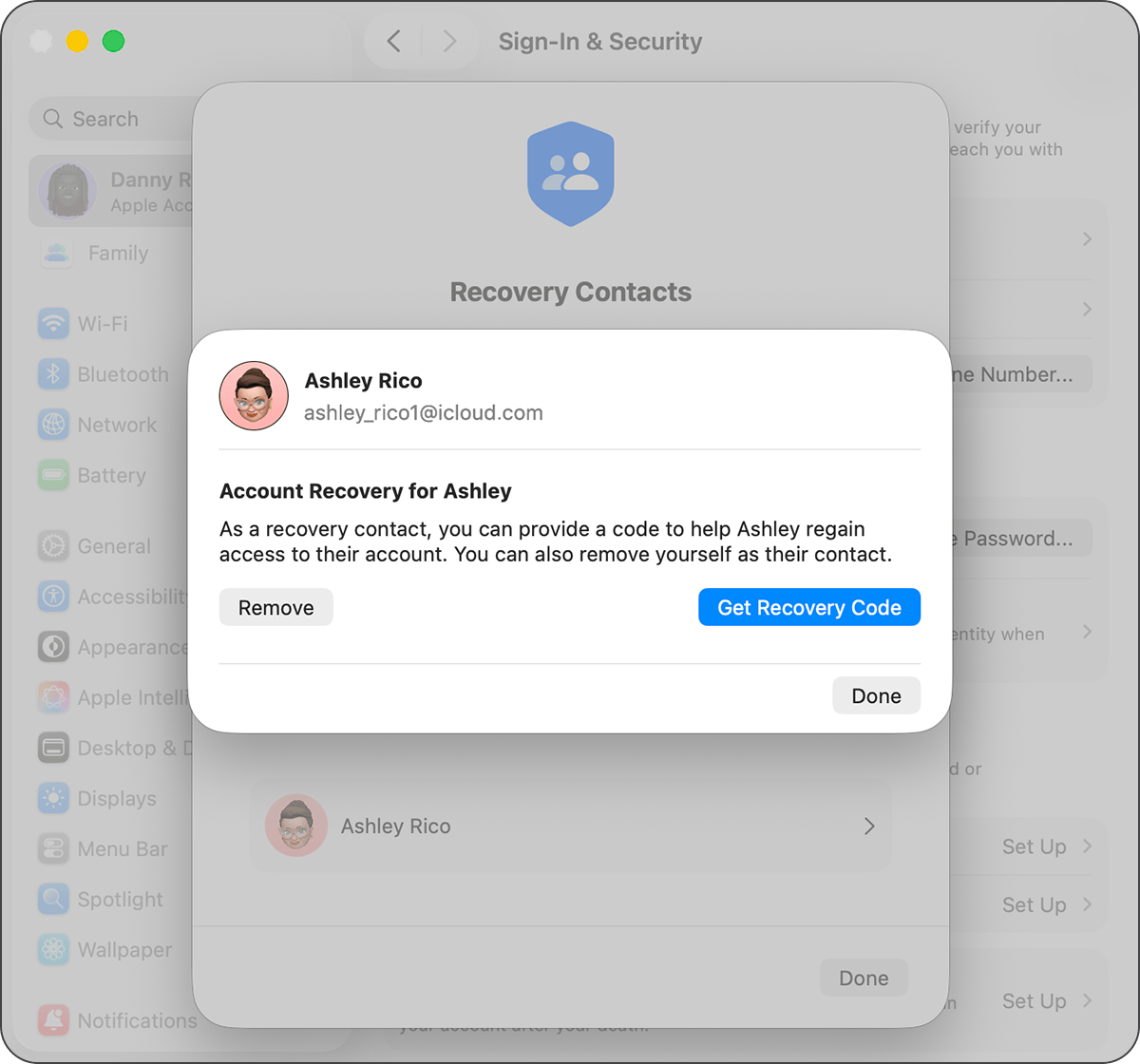
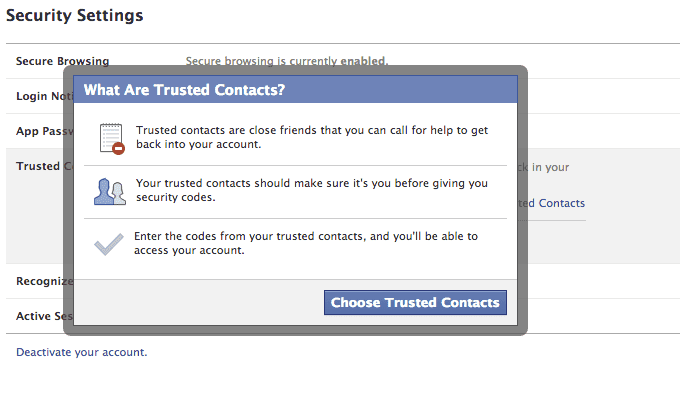
“The human brain is quite poorly suited for remembering passwords and tracking paper wallets, but it's an ASIC for keeping track of relationships with other people.”
Vitalik Buterin · “Why we need wide adoption of social recovery wallets,” 2021
Any 3 of 6 rebuilds it.
Split it. Spread it out.
- Social recovery doesn't have to be social: hold every share yourself
- Spread them across places: a safe abroad, a USB in a drawer, a shard online
- Pick any threshold: 2-of-3, 5-of-10, 10-of-20
- Each share is useless alone; it only works combined
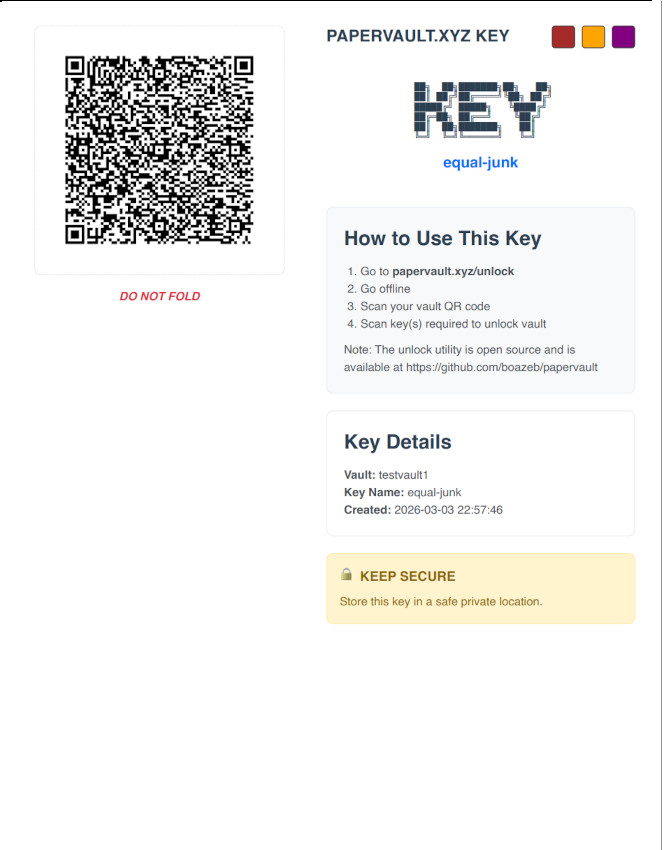
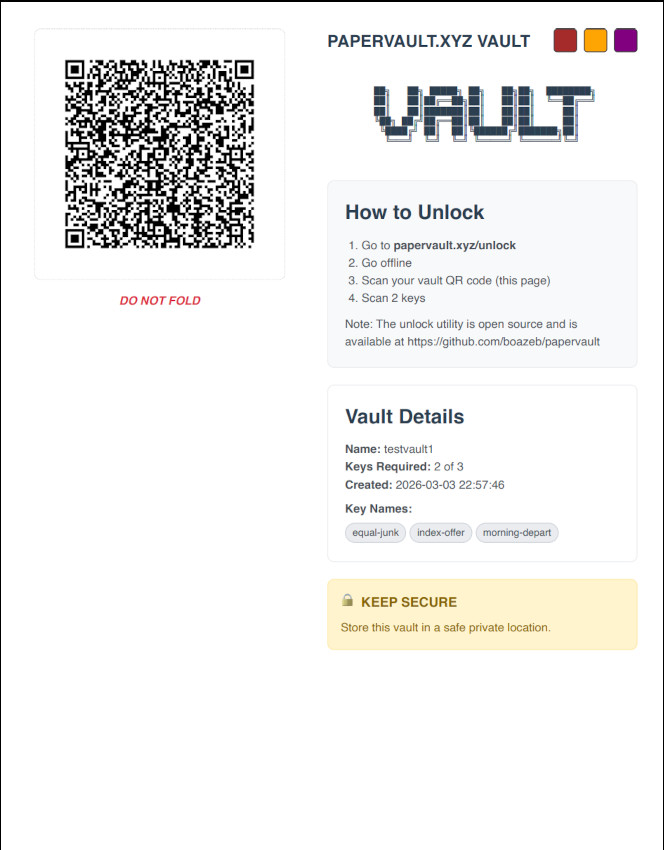
A foundational password vault
Store secrets and passwords on encrypted paper with distributed keys. Designed to last generations.
- Open source
- Run it yourself, offline
- Secured with m-of-n keys
- Social recovery
- Digital inheritance
PaperVault · papervault.xyz · github.com/boazeb/papervault
What goes in a paper vault?
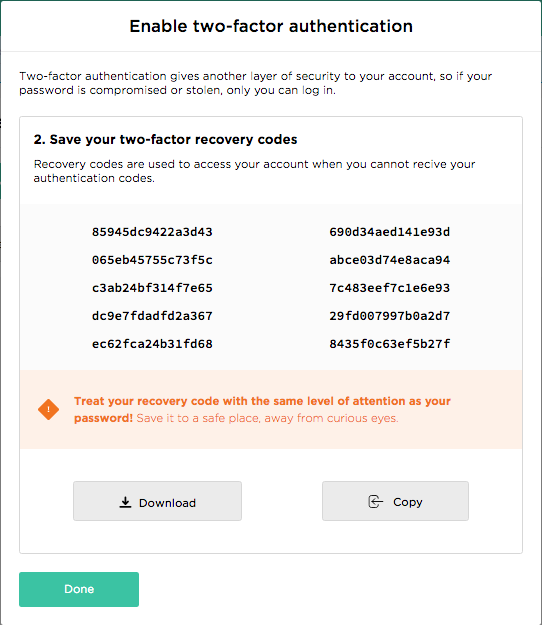
- Your 2FA recovery codes
- The disk-encryption key when you unbox a new laptop
- Anything that doesn't naturally fit in a password manager…
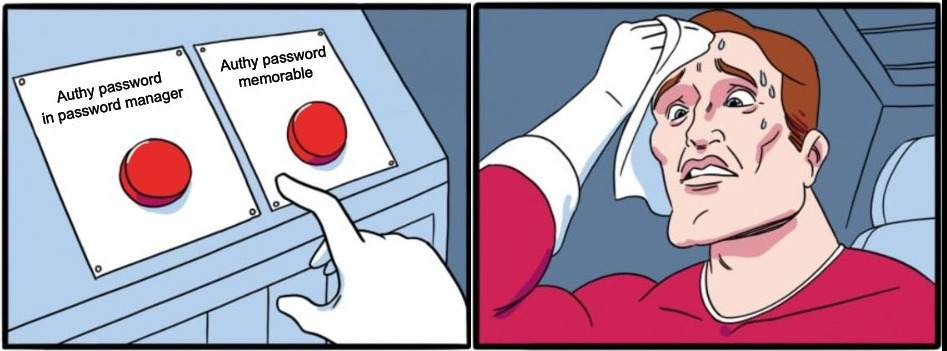
- …like the password to your password manager.
Cyclic dependencies lock people out.
Exactly the moment you reach for a break-glass recovery tool.
Where do you keep the password to your password manager?
The boring details decide if it works.
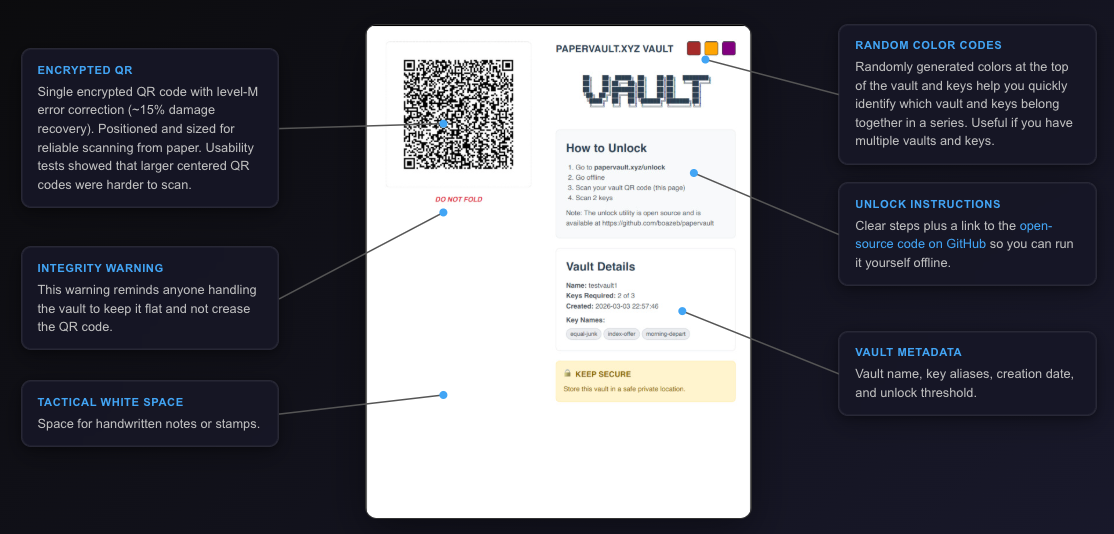
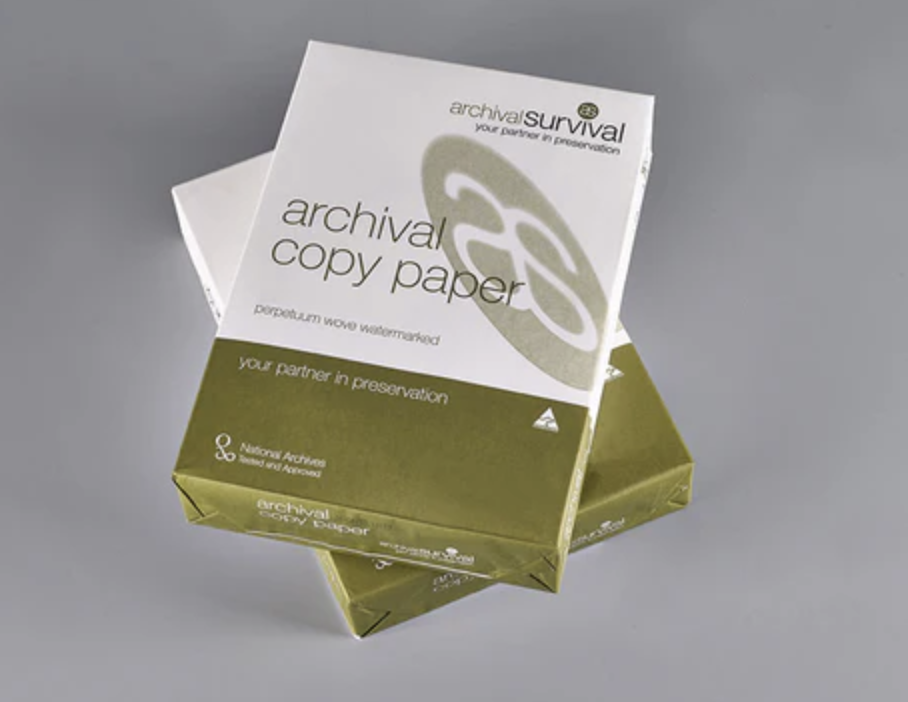
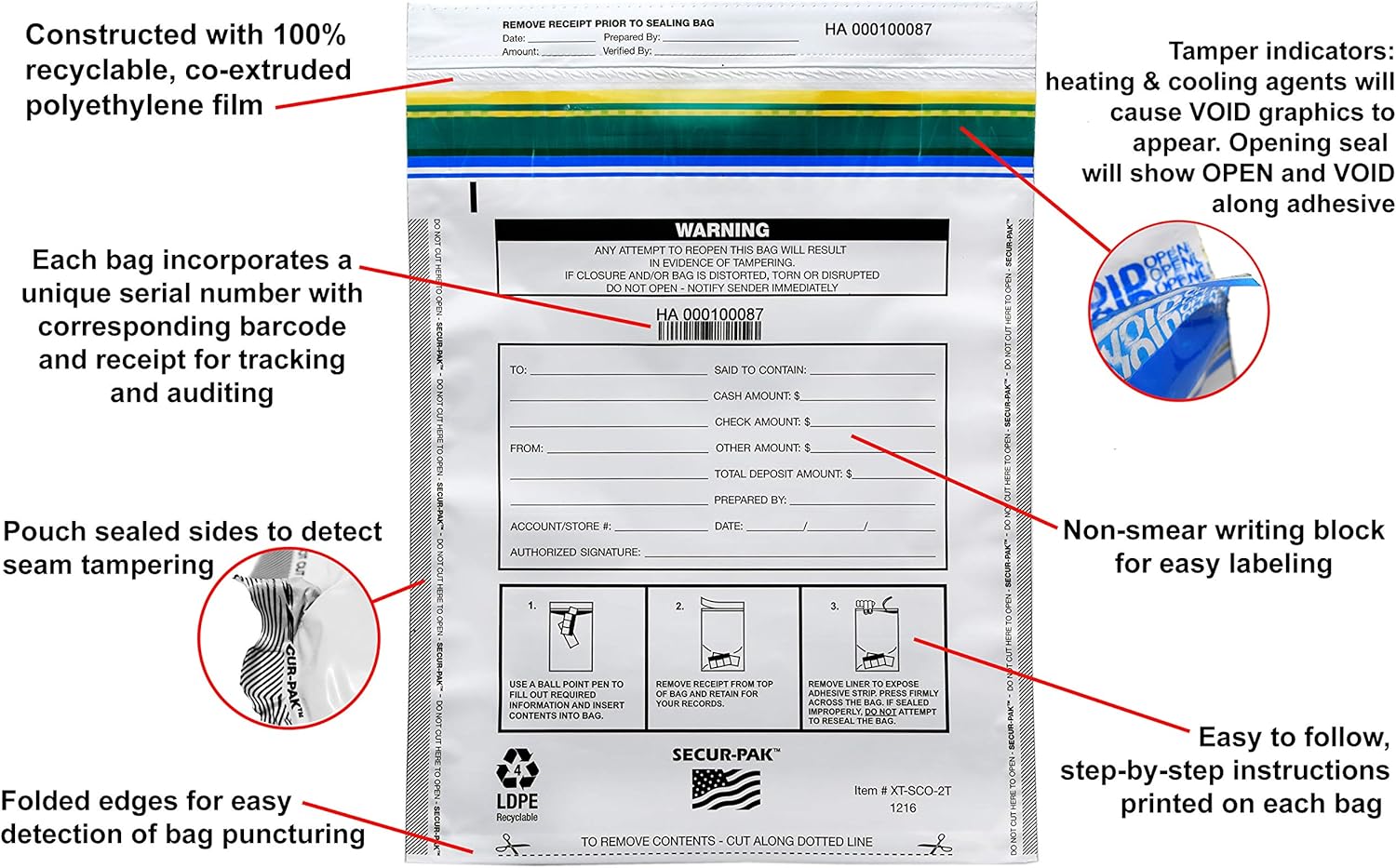
Printed on archive-grade paper, stored in tamper-evident envelopes.
It comes down to four functions.
import { split, combine } from 'shamir-secret-sharing';

export class EncryptionService {
  // 1. AES-256-GCM encrypt (Web Crypto API)
  static encrypt(secret, password) { … }
  // 2. split the key into m-of-n shares
  static splitKey(key, shares, threshold) {
    return split(key, shares, threshold);
  }
  // 3. combine a threshold of shares back into the key
  static combineShares(shares) {
    return combine(shares);
  }
  // 4. decrypt with the recovered key
  static decrypt(data, key, iv) { … }
}
Native Web Crypto API for encryption, Privy's audited shamir-secret-sharing for key splitting.
Audit it by talking to it.
- Open source: every line on GitHub, MIT-licensed
- Chat with the codebase in plain language
- Let AI help you reason about your own threat model
The same gear institutions use.
Let's create a vault, and unlock it.
papervault.xyz · works with the wifi off
A root of trust that's yours: offline, distributed, on paper.
Open sourceworks offlinedesigned for resilience
Thank you, and special thanks to the Privy team for the Shamir library. Questions?